
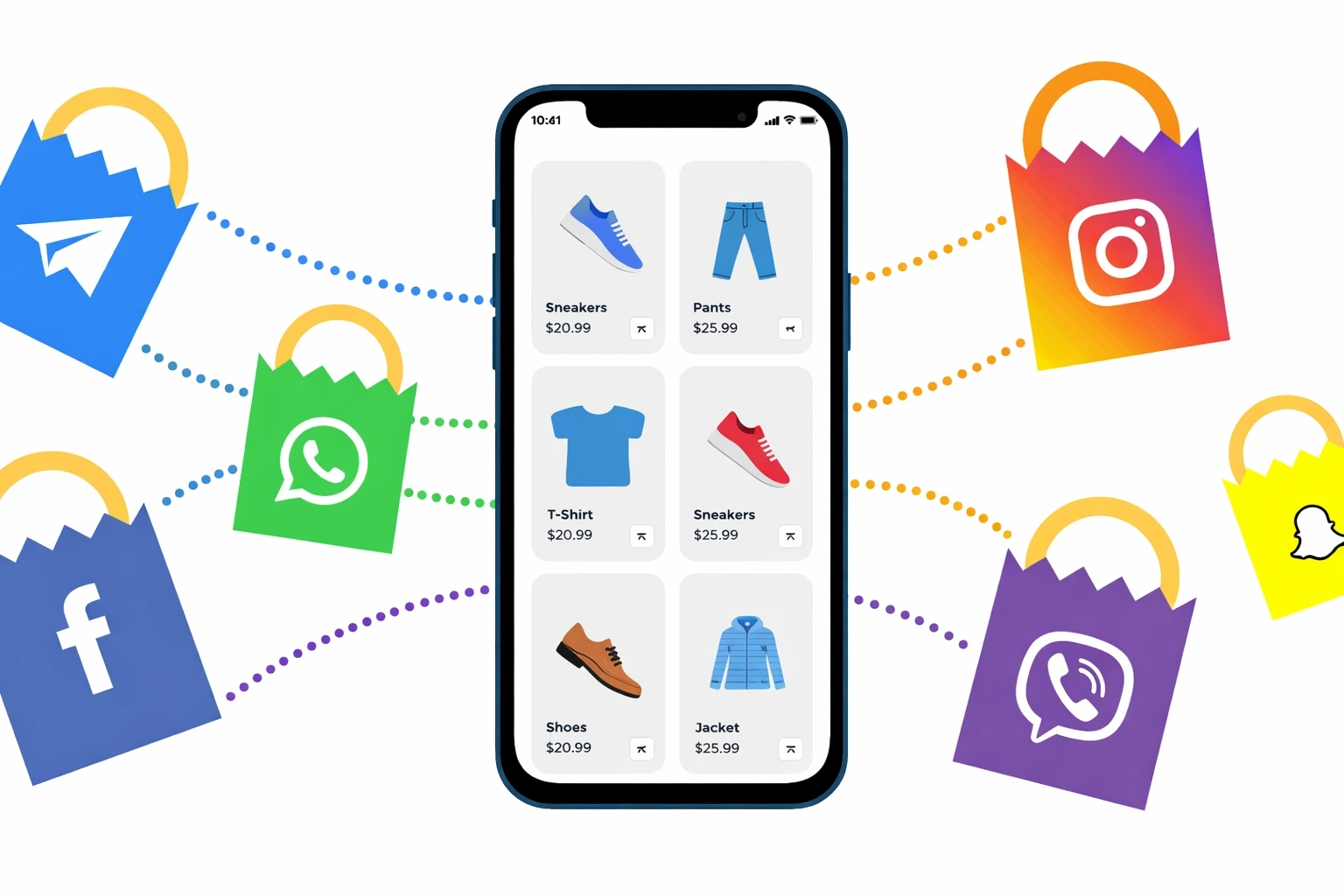
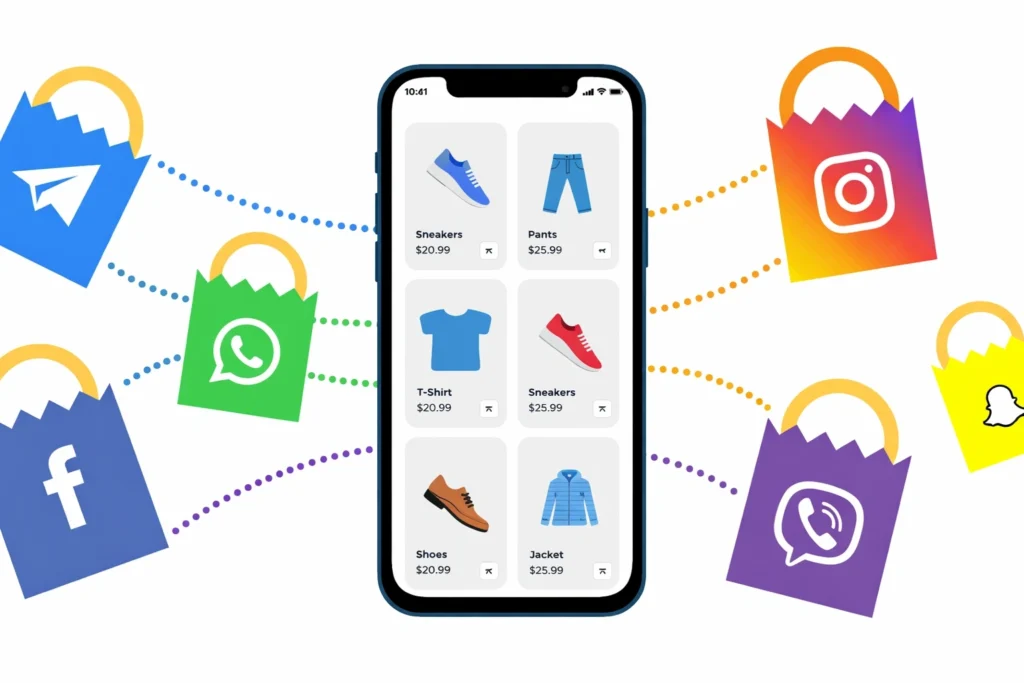
Shopping is not what it used to be. A few years ago, people searched on Google, visited online stores, compared prices, and then bought a product. Today, many people discover, review, and buy products directly on social media. This shift is called Social Commerce, and it is changing the way people shop across the world.
From scrolling on Instagram to watching short videos on TikTok, customers are buying products without leaving their favorite apps. Let’s understand what Social Commerce really means, how it works, and why it is becoming one of the biggest forces in the Digital Marketing industry.
What is Social Commerce?
What do you mean by social commerce?
Social Commerce is the process of selling products directly through social media platforms. It allows customers to discover, review, and purchase products without leaving the social media app.
In simple words, instead of clicking a link and going to a website, you can buy a product directly from a post, story, or live stream.
For example:
- A brand tags a product in an Instagram post.
- You click on the tag.
- You check the details.
- You pay inside the app.
No extra steps. No switching platforms.
This smooth experience is why Social Commerce is growing fast.
The Rise of the Social Commerce Market
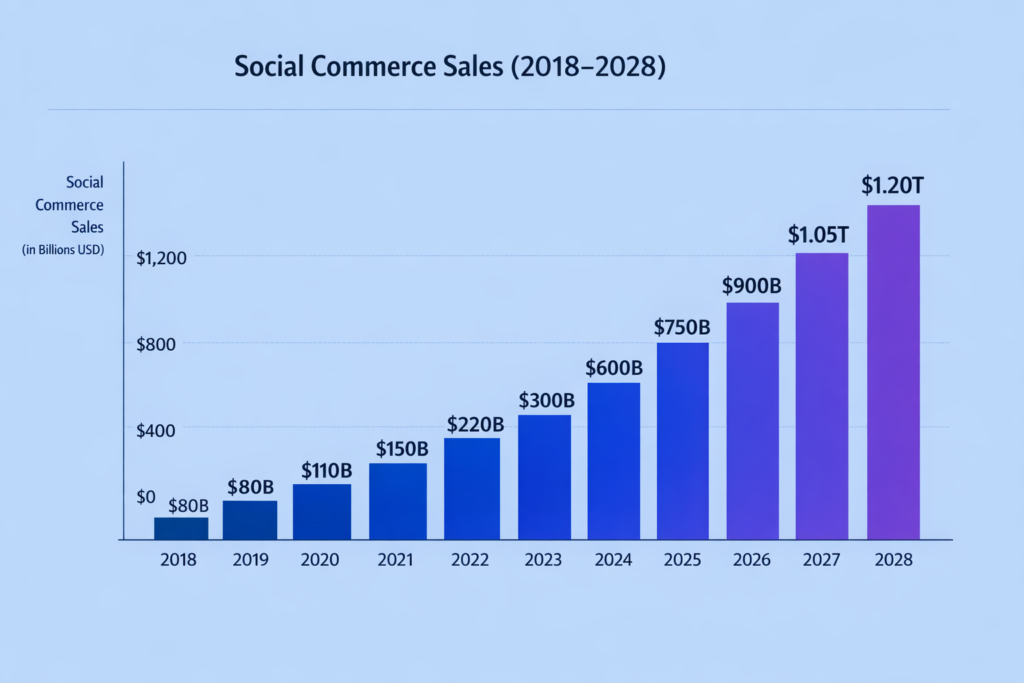
The Social Commerce Market is expanding at a very fast rate. According to recent industry reports:
- The global Social Commerce Market is expected to reach over $2 trillion by 2025.
- Around 70% of consumers say they discover new products on social media.
- Nearly 50% of Gen Z and Millennials have already purchased products directly through social platforms.
- Over 5 billion people worldwide use social media, and this number continues to grow.
These numbers clearly show that social platforms are no longer just for chatting or entertainment. They are now major shopping hubs.
Digital Marketing experts agree that brands that ignore Social Commerce risk losing a large part of their audience.
What is an Example of Social E-commerce?
What is an example of social e-commerce?
A good example is Instagram Shopping. A clothing brand posts a picture of a model wearing a dress. The dress is tagged in the image. When users tap on it, they can see the price and buy it directly.
Another example is TikTok live shopping. A beauty influencer demonstrates makeup products during a live session. Viewers can click and purchase instantly while watching the video.
Facebook Shops and Pinterest Product Pins are also strong examples of Social Commerce in action.
These platforms combine social interaction and shopping into one experience.
How Social Commerce is Changing Shopping Behavior
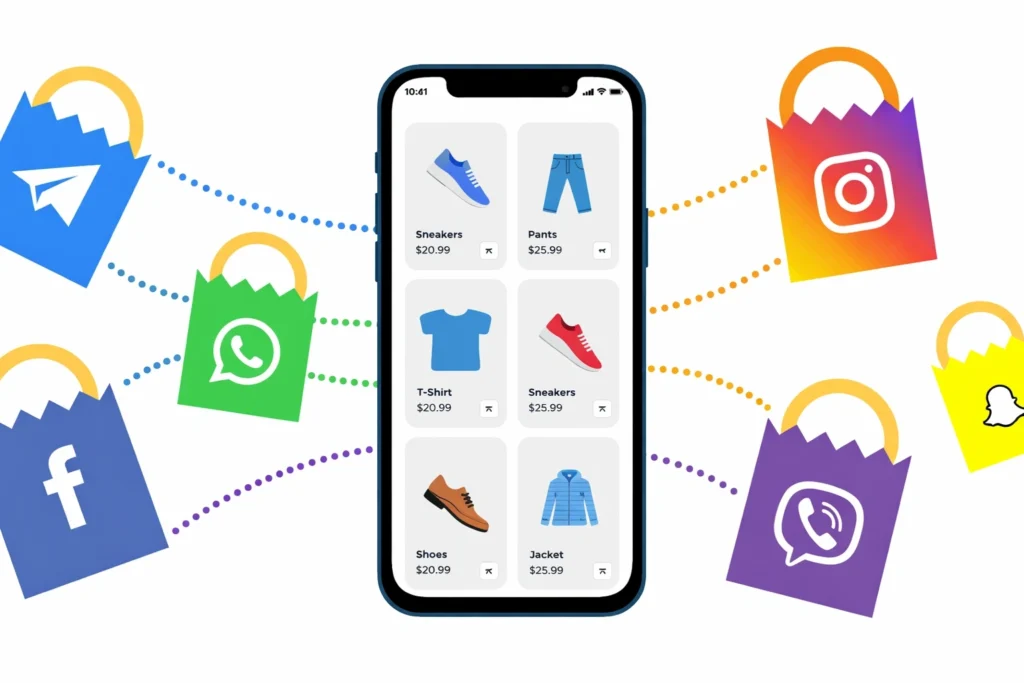
1. Shopping is Now More Social
Before buying a product, customers now:
- Check comments
- Read reviews
- Watch influencer videos
- Ask friends in direct messages
Buying decisions are influenced by social proof. If others trust a product, people feel more confident buying it.
2. Impulse Buying is Increasing
Because buying is so easy, customers make faster decisions. One click is often enough.
Limited-time offers, live shopping events, and influencer recommendations create urgency.
3. Influencers Are Becoming Sales Channels
Influencer marketing and Social Commerce now work together. Influencers are not just promoting products; they are directly driving sales.
According to marketing data:
- Around 80% of consumers have bought a product after seeing it recommended by an influencer.
- Micro-influencers often have higher engagement rates than celebrities.
This shows that trust is more important than fame.
Top Social Commerce Trends to Watch
Understanding Social Commerce trends helps businesses stay ahead. Here are some important ones:
1. Live Shopping
Live video selling is becoming popular. Brands host live sessions where they:
- Show products
- Answer questions
- Offer limited-time discounts
This builds trust and creates real-time engagement.
2. User-Generated Content (UGC)
Customers sharing photos and reviews are more powerful than traditional ads. People trust real users more than brands.
Encouraging customers to share experiences increases credibility.
3. AI-Based Personalization
Platforms now use artificial intelligence to show products based on:
- Browsing behavior
- Likes and interests
- Past purchases
This makes shopping more relevant and personal.
4. In-App Checkout
One of the biggest Social Commerce trends is in-app payment. Customers don’t need to leave the platform. This reduces friction and increases conversion rates.
Why Social Commerce Works So Well

Let me ask you as an expert would:
- Why do people trust social media recommendations more than ads?
- Why are younger generations buying more through social apps?
- Why is engagement directly linked to sales today?
The answer is simple: trust and convenience.
People spend hours on social media daily. According to reports, the average person spends about 2.5 hours per day on social platforms. Brands meet customers where they already are.
Social Commerce removes extra steps, saves time, and builds trust through community interaction.
Challenges in Social Commerce
While Social Commerce offers many benefits, there are some challenges:
- Fake reviews and fraud.
- Data privacy concerns.
- Overcrowded competition.
- Low trust in unknown brands.
Businesses must solve these issues to succeed.
Solutions and Recommendations for Businesses
If you are a brand or marketer, here are practical steps to grow in the Social Commerce Market:
1. Build Trust First
- Show real customer reviews.
- Share behind-the-scenes content.
- Be transparent about pricing and policies.
Trust increases sales.
2. Focus on Engagement, Not Just Sales
Don’t just post product pictures. Create:
- Polls
- Q&A sessions
- Short educational videos
Engagement builds relationships.
3. Use Influencers Carefully
Choose influencers whose audience matches your target customers. Don’t just look at follower count. Look at:
- Engagement rate
- Comment quality
- Authenticity
4. Optimize for Mobile
Most Social Commerce purchases happen on mobile devices. Make sure:
- Images load fast
- Checkout is smooth
- Product descriptions are clear
5. Track Data and Improve
Use analytics to understand:
- Which posts convert best
- What time people buy
- Which products perform well
Data-driven decisions improve results.
Advice for Customers
As a customer, here are some tips:
- Always check reviews before buying.
- Compare prices when possible.
- Avoid clicking unknown links.
- Check return and refund policies.
Social Commerce is convenient, but smart shopping is still important.
Related FAQs
What do you mean by social commerce?
Social Commerce means selling products directly through social media platforms where customers can discover and buy products without leaving the app.
What is an example of social e-commerce?
An example is Instagram Shopping, where users can click on tagged products in posts and purchase them directly inside the platform.
How is social commerce different from e-commerce?
E-commerce usually requires customers to visit a separate website to complete a purchase. Social Commerce allows customers to complete the entire buying process within social media platforms.
Why is the Social Commerce Market growing so fast?
The Social Commerce Market is growing due to:
- High social media usage
- Mobile-first shopping habits
- Influencer marketing
- Easy in-app payments
- Personalized product recommendations
Final Thoughts
Social Commerce is not just a trend. It is a major shift in how people shop. The Social Commerce Market is expanding rapidly, and Social Commerce trends show no sign of slowing down.
For businesses, this is a huge opportunity. But success requires trust, smart content, and strong engagement strategies.
For customers, it offers convenience and faster buying decisions.
Let me leave you with one last question:
If your customers are already spending hours on social media every day, why not meet them there?
Social Commerce is shaping the future of digital shopping. The brands that adapt now will lead tomorrow.